* Industrial Dominance: Sulfuric acid is the chemical produced in the largest quantities globally. It's used in countless processes across various industries, including:
* Fertilizers: Used to produce phosphate fertilizers, essential for agriculture.
* Chemicals: A key ingredient in the production of many other chemicals like hydrochloric acid, nitric acid, and phosphoric acid.
* Metals: Used in the processing of metals like copper, zinc, and aluminum.
* Petroleum: Used in refining petroleum and producing gasoline.
* Batteries: A component of lead-acid batteries commonly found in cars.
* Other applications: Used in the production of detergents, dyes, paints, explosives, and much more.
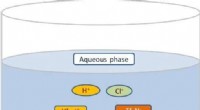
* Versatility: Sulfuric acid is a highly reactive and versatile compound. It's a strong acid, meaning it readily donates protons (H⁺ ions) in solution. This makes it suitable for various chemical reactions and applications.
* Economic Impact: The production and use of sulfuric acid have a significant impact on the global economy. Its availability and affordability drive many industries and contribute to the manufacturing of countless products.
However, it's important to note that sulfuric acid is also a highly corrosive and dangerous substance. Its use requires careful handling and safety precautions to prevent accidents and environmental damage.
While sulfuric acid is a crucial industrial chemical and plays a significant role in our modern world, it's not necessarily the "strongest" acid in terms of its acidity. There are other acids, like fluoroantimonic acid (HSbF₆), which are considered stronger than sulfuric acid.
Therefore, the title "king of chemicals" more accurately reflects sulfuric acid's industrial importance, its versatility, and its impact on the global economy rather than its pure acid strength.