* Copper is less reactive than hydrogen: Copper is lower than hydrogen in the reactivity series of metals. This means it is less reactive and won't readily displace hydrogen from an acid.
* Reaction is slow: While a reaction does occur, it is very slow. The reaction produces copper(II) chloride (CuCl₂), hydrogen gas (H₂), and water (H₂O).
The reaction can be represented by the following equation:
Cu(s) + 2HCl(aq) → CuCl₂(aq) + H₂(g)
Here's what you'll observe:
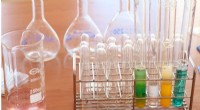
* Very slow bubbling: You might see some very tiny bubbles of hydrogen gas forming on the surface of the copper plate.
* Color change: The copper plate might develop a slightly greenish tint due to the formation of copper(II) chloride.
* No significant heat change: The reaction is not very exothermic, so there won't be a significant change in temperature.
Important note: Concentrated hydrochloric acid would react more quickly with copper. However, the reaction is still slow compared to other acids like nitric acid, which readily reacts with copper.