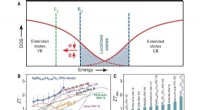
Functionally graded materials (FGMs) are advanced materials with a continuously varying composition and/or microstructure across their thickness. This varying structure gives them unique and tailored properties that change gradually from one surface to another.
Here's a breakdown of the key aspects:
1. Compositional Variation:
* The most common FGM design involves a gradual transition between two different materials.
* For example, a ceramic-metal FGM might have a ceramic-rich surface for high-temperature resistance and a metal-rich surface for better ductility.
* This gradual change in composition allows for a smooth transition between different properties, leading to enhanced performance.
2. Microstructural Variation:
* FGMs can also have different microstructures along their thickness.
* For example, the grain size or porosity can be varied, leading to a change in mechanical properties.
* This allows for optimization of specific areas of the material for desired functionalities.
3. Tailored Properties:
* The controlled variation in composition and microstructure allows for the design of materials with unique and tailored properties.
* This opens up possibilities for improved thermal, mechanical, and electrical performance in various applications.
Examples of FGM Properties:
* Thermal barrier: A ceramic-rich surface resists high temperatures, while a metal-rich interior provides structural strength.
* Wear resistance: A hard, ceramic-rich surface resists wear and tear, while a ductile core absorbs impact forces.
* Heat transfer: A material with varying thermal conductivity can control heat flow efficiently.
Advantages of FGMs:
* Improved performance: Enhanced thermal, mechanical, and electrical properties compared to traditional materials.
* Enhanced durability: Resistance to wear, fatigue, and high temperatures.
* Versatility: FGMs can be tailored for specific applications and environments.
Applications of FGMs:
* Aerospace: Heat shields, turbine blades, and rocket nozzles.
* Automotive: Exhaust systems, engine parts, and brake discs.
* Biomedical: Implants, prosthetics, and drug delivery devices.
* Energy: Solar cells, fuel cells, and nuclear reactors.
* Electronics: Sensors, actuators, and high-performance transistors.
Challenges of FGMs:
* Fabrication: Creating complex and controlled gradients in material composition and microstructure is challenging.
* Cost: FGMs are generally more expensive to manufacture than traditional materials.
* Characterization: Measuring and evaluating the properties of FGMs can be complex and require specialized techniques.
In conclusion, functionally graded materials offer a significant advancement in material science, providing tailored properties and enhanced performance in various applications. As research and development progress, FGMs are expected to play an increasingly important role in addressing key challenges in various industries.