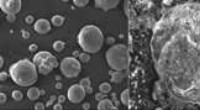
Factors that INCREASE the number of particles available to react:
* Increasing the concentration: A higher concentration means more particles of the reactant are packed into a given volume, increasing the likelihood of collisions and reactions.
* Increasing the surface area: Breaking a solid into smaller pieces exposes more surface area, allowing more reactant particles to come into contact with each other. Think about how wood shavings burn faster than a solid log.
* Increasing the temperature: Higher temperatures cause molecules to move faster, increasing the frequency and energy of collisions. This makes reactions more likely to occur.
What DOES NOT increase the number of particles available to react:
* Adding a catalyst: A catalyst speeds up a reaction by providing an alternative pathway with a lower activation energy, but it doesn't change the number of reactant particles present.
Key Concept:
The number of particles available for a reaction is directly related to the *amount* of reactant present. Catalysts don't change the amount, they just make the existing particles react faster.