* Acidic Impurities: Many organic reactions produce acidic byproducts, such as carboxylic acids, phenols, or even traces of mineral acids used as catalysts.
* Base Extraction: When a strong base like NaOH is added to the dichloromethane solution, it reacts with the acidic impurities, forming water-soluble salts.
* Separation: Dichloromethane is immiscible with water, meaning the two liquids form separate layers. The water-soluble salts formed by the reaction with the base will dissolve in the aqueous layer, effectively removing them from the dichloromethane solution.
* Purification: This process purifies the dichloromethane solution by removing unwanted acidic components, leaving behind the desired organic compound.
Why not use a weak base?
Using a weak base would not effectively neutralize the acidic impurities. The reaction would be incomplete, and the resulting salts might not be sufficiently water-soluble to be effectively removed.
Important Considerations:
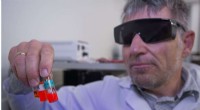
* Safety: Strong bases are corrosive. Handle them with care and appropriate safety equipment.
* Emulsion Formation: In some cases, vigorous shaking during the washing process can lead to the formation of an emulsion (a mixture of two immiscible liquids). This can make separation difficult.
* Other Impurities: Depending on the specific reaction and impurities present, other purification steps like drying or distillation may be needed after the base wash.
In summary, washing a dichloromethane solution with a strong base is a common technique to remove acidic impurities and purify the desired organic product.