1. Obtaining Pure Substances:
* For Use in Specific Applications: Many industrial processes and scientific experiments require pure substances. For example, in pharmaceuticals, you need pure active ingredients to ensure consistent dosage and effectiveness.
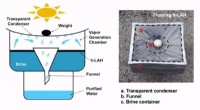
* To Eliminate Impurities: Impurities can be harmful or interfere with desired reactions or processes. For example, separating salt from seawater makes it potable.
2. Recovery of Valuable Components:
* Recycling and Resource Management: Separating mixtures allows us to recover valuable materials, such as metals from e-waste, or paper and plastic from garbage.
* Industrial Production: Many industries rely on separating mixtures to extract desired components. For example, separating crude oil into gasoline, kerosene, and other products.
3. Analysis and Identification:
* Scientific Research: Separating mixtures helps scientists study and identify individual components. For example, separating a complex mixture of proteins can help researchers understand biological processes.
* Forensic Science: Separating components in mixtures found at crime scenes can provide crucial evidence.
4. Safety and Environmental Concerns:
* Removing Hazardous Substances: Separating mixtures can remove harmful substances from our environment. For example, removing heavy metals from wastewater.
* Preventing Contamination: Separating components helps prevent contamination of food, water, or other products.
Examples of Separating Mixtures:
* Distillation: Separating liquids based on boiling points (e.g., separating alcohol from water).
* Filtration: Separating solids from liquids (e.g., making coffee).
* Evaporation: Separating dissolved solids from liquids (e.g., making salt from seawater).
* Chromatography: Separating components based on their differences in affinity to a stationary phase (e.g., separating pigments in ink).
In short, separating mixtures is crucial for many aspects of our lives, from everyday tasks to complex scientific processes. It allows us to obtain pure substances, recover valuable materials, analyze and identify components, and ensure safety and environmental protection.