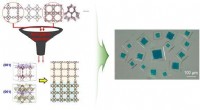
* Color: Salts can be a wide range of colors, including:
* White: Many common salts like table salt (sodium chloride) are white.
* Colored: Copper salts can be blue or green, iron salts can be yellow or brown, and potassium permanganate is deep purple.
* Luster: Most salts have a non-metallic luster, meaning they are not shiny or reflective like metals. They can be:
* Glossy: Some salts, like table salt, have a glossy appearance.
* Dull: Others, like potassium chloride, have a dull or matte appearance.
* Metallic Luster: While some salts might appear slightly metallic, this is usually due to their crystal structure or impurities. True metallic luster is characteristic of metals.
In summary: Salts can be various colors and have different lusters, and the majority do not have a metallic luster.