A decomposition reaction is a type of chemical reaction where a single compound breaks down into two or more simpler substances.
Here are some key points:
* Single Reactant: Decomposition reactions always involve one reactant that is breaking down.
* Multiple Products: The decomposition process results in two or more products.
* Chemical Change: The chemical bonds within the original compound are broken, forming new substances with different chemical properties.
Examples of Decomposition Reactions:
* Electrolysis of Water: Water (H₂O) is decomposed into hydrogen gas (H₂) and oxygen gas (O₂) by passing an electric current through it.
* Heating Calcium Carbonate: Calcium carbonate (CaCO₃) decomposes into calcium oxide (CaO) and carbon dioxide (CO₂) when heated.
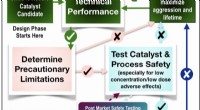
* Decomposition of Hydrogen Peroxide: Hydrogen peroxide (H₂O₂) decomposes into water (H₂O) and oxygen gas (O₂) in the presence of a catalyst.