Fatty Acid Molecules:
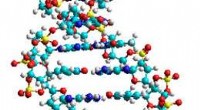
* Structure: Long chains of carbon atoms with hydrogen atoms attached, with a carboxyl group (COOH) at one end. The number of carbons and the position of double bonds between carbons determine the type of fatty acid (saturated, monounsaturated, polyunsaturated).
* Function: Provide energy storage and insulation. They can also form the building blocks for other lipids like phospholipids and triglycerides.
Glycerol:
* Structure: A simple three-carbon alcohol with a hydroxyl group (OH) attached to each carbon.
* Function: Acts as a backbone for triglycerides, the main type of fat found in the body. It also plays a role in the synthesis of phospholipids and other lipids.
Here's a table summarizing the key differences:
| Feature | Fatty Acid | Glycerol |
|---|---|---|
| Structure | Long hydrocarbon chain with a carboxyl group | Three-carbon alcohol with hydroxyl groups |
| Function | Energy storage, insulation, building block for other lipids | Backbone for triglycerides, synthesis of other lipids |
| Solubility | Insoluble in water | Soluble in water |
In summary: Fatty acids are long chains that provide energy and insulation, while glycerol acts as a backbone for triglycerides and other lipids.