* New substances are formed: This is the defining characteristic. The original substances cease to exist, and entirely new substances with different properties are created.
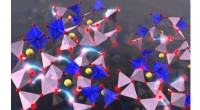
* Bonds are broken and formed: Chemical changes involve the rearrangement of atoms. Existing chemical bonds between atoms are broken, and new bonds are formed in a different arrangement.
* Energy is absorbed or released: Chemical reactions either require energy to occur (endothermic) or release energy (exothermic). This energy change is often noticeable as heat, light, or sound.
* The change is usually irreversible: While some chemical changes can be reversed under specific conditions, many are irreversible without significant further changes.
Here are some examples of chemical changes and the associated changes:
* Burning wood: Wood (cellulose) combines with oxygen, releasing heat and light (exothermic). The products are ash, carbon dioxide, and water, all different from the original wood.
* Cooking an egg: The heat denatures proteins in the egg, changing their structure and causing the egg white to solidify.
* Rusting of iron: Iron reacts with oxygen in the presence of moisture, forming iron oxide (rust), a new substance with different properties.
Key Point: Chemical changes are about the creation of entirely new substances, a distinction from physical changes, which only alter the appearance or state of matter.