Energy Inputs (Reactants)
* Activation Energy: Every chemical reaction needs an initial "push" to start, called activation energy. This energy is required to break the bonds within the reactants and allow them to form new products.
* Heat: Adding heat provides energy to molecules, increasing their kinetic energy and making them more likely to collide and react.
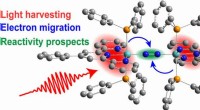
* Light: Some reactions are triggered by light energy, like photosynthesis.
* Electrical Energy: Electrolysis, the use of electricity to drive a non-spontaneous chemical reaction, utilizes electrical energy as input.
Energy Outputs (Products)
* Exothermic Reactions: These release energy into the surroundings, often as heat, making the surroundings hotter. The products have lower energy content than the reactants.
* Endothermic Reactions: These absorb energy from the surroundings, making the surroundings colder. The products have higher energy content than the reactants.
Key Concepts
* Enthalpy Change (ΔH): Measures the heat energy change during a reaction. ΔH is negative for exothermic reactions (heat is released) and positive for endothermic reactions (heat is absorbed).
* Gibbs Free Energy (ΔG): Predicts the spontaneity of a reaction. A negative ΔG indicates a spontaneous (favorable) reaction, while a positive ΔG indicates a non-spontaneous reaction.
Examples:
* Combustion: Burning fuels like wood or propane is an exothermic reaction, releasing heat and light as energy outputs.
* Photosynthesis: Plants use light energy to convert carbon dioxide and water into glucose and oxygen, an endothermic reaction.
* Cooking: Cooking food involves endothermic reactions, absorbing heat energy from the stove to break down chemical bonds and change the food's composition.
In Summary
Chemical reactions involve the transformation of reactants into products, and this process always involves energy changes. The energy inputs provide the initial "push" to start the reaction, while the energy outputs can be released or absorbed during the process. Understanding energy inputs and outputs is crucial for predicting and controlling chemical reactions.