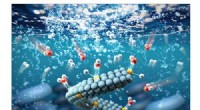
* Disruption of Water Molecules: When salt dissolves in water, the salt ions (sodium and chloride) disrupt the normal hydrogen bonding between water molecules. This makes it more difficult for water molecules to form the crystalline structure required for freezing.
* Lowering the Vapor Pressure: The dissolved salt ions also lower the vapor pressure of the water, making it harder for the water to evaporate. This means the water needs to be colder to reach the freezing point.
Factors Affecting Freezing Point Depression:
* Type of Salt: Different salts have different freezing point depression values. For example, calcium chloride is more effective at lowering the freezing point than sodium chloride.
* Salt Concentration: The more salt you add, the lower the freezing point will be.
* Type of Liquid: The freezing point depression is also affected by the type of liquid. For example, salt will have a larger effect on the freezing point of water than on the freezing point of alcohol.
Applications:
* Road Salt: Salt is used to de-ice roads in the winter because it lowers the freezing point of water, preventing ice from forming.
* Food Preservation: Salt is used in food preservation because it lowers the freezing point of water in the food, making it more difficult for bacteria to grow.
Important Note: While salt lowers the freezing point of water, it doesn't eliminate it entirely. There is a limit to how much the freezing point can be lowered.