Structure of SH2 Domains:
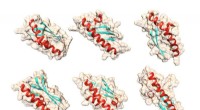
* Shape: SH2 domains typically have a globular shape, with two subdomains connected by a flexible linker region.
* Binding Site: The key feature of SH2 domains is a phosphotyrosine-binding site (PTB). This site recognizes and binds to phosphorylated tyrosine residues on other proteins. The PTB consists of a highly conserved sequence with two pockets:
* Phosphotyrosine pocket: This pocket binds the phosphotyrosine residue.
* Specificity pocket: This pocket interacts with the amino acids flanking the phosphotyrosine, determining the specificity of the SH2 domain for different phosphorylated sequences.
* Flexibility: SH2 domains are relatively flexible, allowing them to bind different phosphorylated sequences with varying affinities.
Function of SH2 Domains:
SH2 domains play a crucial role in signal transduction pathways, acting as "molecular switches" that mediate protein-protein interactions. By binding to phosphorylated tyrosine residues, they:
* Recruit proteins to specific locations: SH2 domains can help bring together signaling proteins at the right time and place, facilitating the formation of signaling complexes.
* Activate downstream signaling pathways: SH2 domains can activate or inhibit the activity of target proteins by binding to them and influencing their conformation or activity.
Examples of Proteins with SH2 Domains:
Many proteins involved in cell signaling contain SH2 domains, including:
* Tyrosine kinases: Src, Abl, EGFR
* Phosphatases: SHP-1, SHP-2
* Adaptor proteins: Grb2, Shc
* Transcription factors: STATs
Overall, SH2 domains are essential components of signaling networks, enabling the precise regulation of cellular processes in response to diverse stimuli.