* Ionic Bonds: Ionic bonds form between a metal and a non-metal. The metal atom loses electrons to become a positively charged cation, while the non-metal atom gains electrons to become a negatively charged anion. These oppositely charged ions are attracted to each other, forming the ionic bond.
* Carbonate Ion Structure:
* Carbon (C) is a non-metal.
* Oxygen (O) is a non-metal.
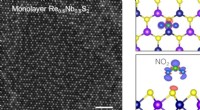
* The carbonate ion (CO3^2-) is formed when carbon shares electrons with three oxygen atoms.
However, the bonds within the carbonate ion are actually a mixture of ionic and covalent character.
* Covalent Character: Carbon and oxygen share electrons in a covalent manner to form the bonds within the carbonate ion. However, due to the high electronegativity of oxygen, the shared electrons spend more time around the oxygen atoms, creating a partial negative charge on the oxygen atoms and a partial positive charge on the carbon atom.
* Ionic Character: This uneven distribution of electrons leads to an overall negative charge on the carbonate ion, making it an anion.
In summary:
* The carbonate ion is held together by covalent bonds within the ion itself.
* The carbonate ion as a whole forms ionic bonds with other positively charged ions in a compound.
Let me know if you have any other chemistry questions!