1. Carbohydrates: These are made up of carbon, hydrogen, and oxygen. They are the body's primary source of energy, and they also play a role in cell structure. Examples include sugars, starches, and fibers.
2. Lipids (Fats): These are also made up of carbon, hydrogen, and oxygen, but they have a higher proportion of hydrogen and a lower proportion of oxygen than carbohydrates. They are important for energy storage, insulation, and protection of organs. Examples include triglycerides, phospholipids, and steroids.
3. Proteins: These are made up of carbon, hydrogen, oxygen, and nitrogen. They are essential for building and repairing tissues, transporting substances, and catalyzing chemical reactions. Examples include enzymes, hormones, and antibodies.
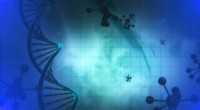
4. Nucleic Acids: These are made up of carbon, hydrogen, oxygen, nitrogen, and phosphorus. They carry genetic information and are essential for protein synthesis. Examples include DNA and RNA.