Here are some key characteristics of active metals:
* High reactivity: They easily react with other elements, particularly nonmetals like oxygen, halogens, and acids.
* Low ionization energy: They readily lose electrons to form cations because their outermost electrons are loosely bound.
* Strong reducing agents: They donate electrons to other substances, causing them to be reduced.
Examples of active metals:
* Lithium (Li), Sodium (Na), Potassium (K): Alkali metals are the most reactive group.
* Magnesium (Mg), Calcium (Ca), Barium (Ba): Alkaline earth metals are also highly reactive, though slightly less so than alkali metals.
* Aluminum (Al): While not as reactive as alkali and alkaline earth metals, aluminum is still considered an active metal.
Reactions of active metals:
* Reaction with oxygen: They form oxides upon reaction with oxygen. For example, sodium reacts vigorously with oxygen to form sodium oxide (Na₂O).
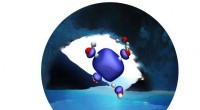
* Reaction with water: They react with water to produce hydrogen gas and a metal hydroxide. For example, potassium reacts violently with water to produce potassium hydroxide (KOH) and hydrogen gas (H₂).
* Reaction with acids: They react with acids to produce hydrogen gas and a salt. For example, magnesium reacts with hydrochloric acid to produce magnesium chloride (MgCl₂) and hydrogen gas (H₂).
Applications of active metals:
* Batteries: Active metals like lithium are used in batteries due to their high reactivity and ability to readily donate electrons.
* Reducing agents: Active metals are used as reducing agents in various chemical processes.
* Alloys: Active metals are often used in alloys to impart specific properties, such as strength and corrosion resistance.
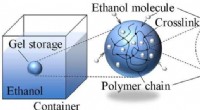
Note: Active metals are generally stored in inert atmospheres or under oil to prevent them from reacting with oxygen and moisture.