Here are some ways technology can be used to solve the problem of hazardous medical waste:
1. Improved Waste Management and Sorting:
* Automated Sorting Systems: Utilizing AI-powered imaging and robotics, facilities can automate the sorting of medical waste. This can separate hazardous materials from regular waste, reducing the volume of material that needs specialized treatment.
* Electronic Tracking Systems: RFID tags or barcodes can track medical waste from its point of origin to final disposal, ensuring proper handling and preventing accidental mixing of hazardous and non-hazardous materials.
* Waste Audits and Analysis: Data analysis tools can identify patterns in waste generation and identify areas where waste reduction efforts can be focused.
2. Safer Treatment and Disposal:
* Advanced Incineration Technologies: Modern incinerators with advanced air pollution control systems can significantly reduce emissions of harmful pollutants like mercury and dioxins.
* Plasma Gasification: This technology uses high temperatures to convert waste into a stable, inert gas, reducing the volume of waste and minimizing emissions.
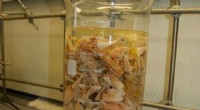
* Chemical and Biological Treatment: Techniques like bioremediation and chemical detoxification can break down hazardous substances in waste, making them less harmful.
* Waste-to-Energy Solutions: Utilizing medical waste as a fuel source for energy production can turn a problem into a resource, reducing reliance on fossil fuels.
3. Reducing Waste at the Source:
* Minimally Invasive Procedures: Advanced surgical techniques and diagnostic tools can reduce the amount of medical waste generated.
* Reusable and Recyclable Medical Supplies: Promoting the use of reusable instruments, equipment, and packaging materials can significantly reduce the overall waste stream.
* Pharmaceutical Waste Reduction: Effective medication management, adherence to proper drug disposal guidelines, and the development of biodegradable drug containers can significantly reduce pharmaceutical waste.
4. Public Awareness and Education:
* Digital Platforms: Online campaigns and educational resources can inform the public about the dangers of improper medical waste disposal and encourage proper waste management practices.
* Community Outreach Programs: Workshops and presentations can be conducted to educate healthcare professionals, patients, and the general public about responsible medical waste disposal methods.
5. Policy and Regulation:
* Stricter Regulations: Governments and regulatory bodies can implement stricter regulations for the handling, treatment, and disposal of medical waste, including penalties for non-compliance.
* Financial Incentives: Providing subsidies or tax breaks for hospitals and medical facilities that invest in sustainable waste management technologies can encourage adoption of these solutions.
By combining these technological solutions with responsible policy, effective regulations, and increased public awareness, we can significantly reduce the environmental and health risks associated with hazardous medical waste.