Everyday Uses:
* Water (H₂O): Essential for life, used for drinking, cooking, cleaning, and countless other purposes.
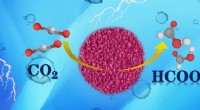
* Carbon dioxide (CO₂): A greenhouse gas vital for photosynthesis, also used in carbonated beverages and fire extinguishers.
* Glucose (C₆H₁₂O₆): The primary source of energy for our bodies, found in foods like fruits, vegetables, and grains.
* Ethanol (C₂H₅OH): Used as fuel, a solvent, and a component in alcoholic beverages.
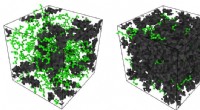
* Polymers (plastics, fabrics, etc.): Covalent compounds form the basis of numerous synthetic materials used in countless applications.
Specialized Applications:
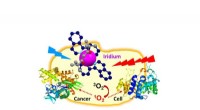
* Pharmaceuticals: Many drugs are covalent compounds designed to interact with specific molecules in the body, treating various illnesses.
* Agriculture: Covalent compounds like fertilizers (nitrogen, phosphorus, potassium) are crucial for plant growth.
* Electronics: Silicon-based covalent compounds are the foundation of semiconductors and microchips used in computers and other electronic devices.
* Energy Production: Covalent compounds like methane (CH₄) are primary sources of energy, fueling combustion engines and generating electricity.
* Industrial Processes: Covalent compounds are used in diverse industrial applications, such as in the production of paints, dyes, and explosives.
Beyond These Examples:
* Our bodies are built from covalent compounds: Proteins, carbohydrates, fats, and nucleic acids (DNA and RNA) are all composed of covalent bonds.
* Covalent compounds are essential for biological processes: Photosynthesis, cellular respiration, and the synthesis of essential biomolecules all rely on covalent bonds.
In summary, covalent compounds are fundamental to human life and society, powering our energy systems, building our technologies, and even sustaining our very existence.