Here's a breakdown:
* C: Represents a carbon atom.
* N: Represents a nitrogen atom.
* ⁻: Indicates a negative charge on the ion.
Key characteristics of the cyanide ion:
* Highly toxic: Cyanide is extremely poisonous, even in small amounts. It inhibits cellular respiration by blocking the enzyme cytochrome c oxidase.
* Strong ligand: Cyanide is a strong ligand, meaning it can bind strongly to metal ions, forming stable complexes.
* Present in various compounds: Cyanide can be found in various inorganic and organic compounds, including:
* Hydrogen cyanide (HCN): A colorless, highly toxic gas.
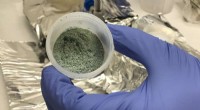
* Sodium cyanide (NaCN): A white, water-soluble solid used in mining and other industrial processes.
* Potassium cyanide (KCN): Similar to sodium cyanide, used in gold mining.
* Cyanide salts: Various other metal cyanides are used in different applications.
Uses of cyanide:
* Gold mining: Cyanide is used to extract gold from ore.
* Industrial processes: Cyanide is used in the production of plastics, synthetic fibers, and pesticides.
* Research: Cyanide is used in laboratory research, particularly in biochemistry and toxicology studies.
Safety considerations:
* Extreme caution: Due to its toxicity, cyanide should be handled with extreme care and only by trained professionals.
* Protective equipment: Proper protective equipment, such as gloves, masks, and respirators, should be worn when handling cyanide.
* Emergency response: In case of cyanide poisoning, immediate medical attention is crucial.
It's important to note that cyanide is a highly dangerous substance and should be handled with utmost respect and safety precautions.