* Surfactants: These are the primary cleaning agents. They lower the surface tension of water, allowing it to penetrate and remove dirt and grease. Common examples include alkylbenzene sulfonates, linear alkyl sulfonates, and alcohol ethoxylates.
* Builders: These enhance the cleaning power of the surfactants. They can soften water, increase alkalinity, or provide other benefits. Common builders include phosphates, carbonates, and zeolites.
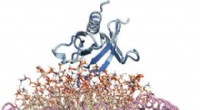
* Enzymes: These break down specific types of stains, such as proteins (proteases), fats (lipases), and starches (amylases).
* Bleaches: These remove stains by oxidation. Common bleaches include chlorine bleach (sodium hypochlorite) and oxygen bleach (sodium percarbonate).
* Brighteners: These make fabrics appear whiter by absorbing UV light and re-emitting it as blue light.
* Fragrances: These add a pleasant scent to the detergent.
* Colorants: These give the detergent its color.
The specific chemical formula of a detergent depends on its intended use (e.g., laundry detergent, dishwashing detergent, hand soap).
Here's an example of a simplified formula for a common laundry detergent:
* Surfactant: Sodium dodecylbenzene sulfonate (C18H29SO3Na)
* Builder: Sodium tripolyphosphate (Na5P3O10)
* Enzyme: Protease
* Bleach: Sodium percarbonate (2Na2CO3·3H2O2)
* Brightener: Disodium 4,4'-bis(2-sulfostyryl)biphenyl
Important note: This is just a simplified example. Real detergent formulas are much more complex and can vary widely.