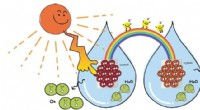
Here's a breakdown:
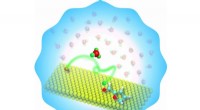
* Nitrogen Fixation: This is the process where atmospheric nitrogen gas (N₂) is converted into a form usable by plants. This primarily occurs through:
* Biological Nitrogen Fixation: Microorganisms (mainly bacteria) possess the ability to convert N₂ into ammonia (NH₃). This happens in various environments, including:
* Nitrogen-fixing bacteria in soil: These bacteria live in symbiotic relationships with plants, residing in nodules on their roots.
* Nitrogen-fixing bacteria in aquatic environments: They can be free-living or associated with algae.
* Industrial Nitrogen Fixation: This is a human-driven process that uses high temperatures and pressures to convert nitrogen gas into ammonia, mainly used for fertilizer production.
* Atmospheric Nitrogen Fixation: Lightning and other high-energy events can also fix nitrogen, but this contribution is relatively minor.
Why is Nitrogen Fixation Important?
Nitrogen is an essential nutrient for plant growth and is a component of proteins, DNA, and other essential molecules. Without nitrogen fixation, life on Earth would struggle to survive.