* Mixture: A combination of two or more substances that are not chemically bonded. Each substance retains its own properties.
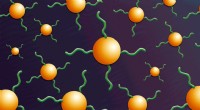
* Colloid: A mixture where one substance is dispersed evenly throughout another (like milk or fog). The dispersed particles are larger than in a solution but smaller than in a suspension.
* Suspension: A mixture where particles of one substance are suspended in another. These particles are large enough to settle over time (like sand in water).
* Solution: A homogeneous mixture where one substance is dissolved evenly into another (like salt dissolved in water).
* Compound: A substance formed when two or more elements chemically combine in a fixed ratio. This creates a new substance with different properties from its constituent elements (like water, H₂O).
In summary: Mixtures, colloids, and suspensions are all ways to combine substances without forming a new compound. Compounds represent a different type of chemical combination.