* Chemical Changes: While many chemical changes are indeed irreversible under normal conditions, there are exceptions. For example:
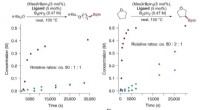
* Reversible Reactions: Many chemical reactions are actually reversible, meaning they can proceed in both forward and reverse directions. For example, the reaction between hydrogen and iodine to form hydrogen iodide is reversible.
* Decomposition: Some chemical changes can be reversed by supplying energy. For example, heating calcium carbonate (a chemical change) decomposes it into calcium oxide and carbon dioxide. Cooling the mixture can reverse the process.
* Physical Changes: Physical changes generally involve changes in the form or appearance of a substance, but not its chemical composition. These changes are often readily reversible. However, there are exceptions:
* Irreversible Physical Changes: Some physical changes are difficult or impossible to reverse, such as:
* Breaking a glass: While you could potentially melt the glass and reshape it, the original glass shape is lost.
* Crushing a rock: The rock's original shape is irreversibly changed.
In Summary:
* Chemical changes: While many are irreversible, some are reversible, and some can be reversed with energy input.
* Physical changes: While many are reversible, some are difficult or impossible to reverse.
It's more accurate to say that the reversibility of both chemical and physical changes depends on the specific change and the conditions involved.