Here's a breakdown:
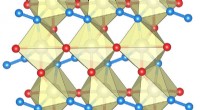
* Ionic Compound: Sodium chloride is an ionic compound, meaning it's composed of positively charged sodium ions (Na+) and negatively charged chloride ions (Cl-) held together by electrostatic forces.
* Polar Solvent: Water is a polar solvent, meaning it has a positive and negative end due to the uneven distribution of electrons in the molecule.
* Dissolution: When sodium chloride is added to water, the polar water molecules surround the ions. The positive end of the water molecule (hydrogen) is attracted to the negative chloride ions, and the negative end of the water molecule (oxygen) is attracted to the positive sodium ions.
* Hydration: This attraction breaks the ionic bonds holding the sodium and chloride ions together. The ions are then surrounded by water molecules, forming hydrated ions. These hydrated ions are essentially the ions surrounded by a sphere of water molecules.
So, while sodium chloride itself disappears into the water, the ions are still present, just surrounded by water molecules.