Here are some of the key types of nitrogen-fixing bacteria:
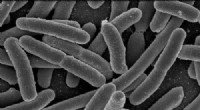
* Azotobacter: These are free-living bacteria found in the soil that can fix nitrogen directly from the atmosphere.
* Clostridium: Another group of free-living bacteria that can fix nitrogen anaerobically (without oxygen).
* Cyanobacteria: These photosynthetic bacteria are also known as blue-green algae. Some cyanobacteria can fix nitrogen, making them important for nitrogen cycling in aquatic ecosystems.
* Rhizobia: These bacteria form a symbiotic relationship with legumes (plants like peas, beans, and lentils) and live in nodules on their roots. Rhizobia are extremely efficient at fixing nitrogen, and they are a major source of nitrogen for plants.
The process of nitrogen fixation is a complex one that involves the conversion of atmospheric nitrogen gas (N2) into ammonia (NH3). This process requires a significant amount of energy, and nitrogen-fixing bacteria have evolved specialized enzymes that can carry out this reaction.
The ammonia produced by nitrogen-fixing bacteria is then used by plants to synthesize proteins, nucleic acids, and other essential molecules. This process is essential for the growth and survival of all living organisms.