Nucleic acids are complex organic molecules that carry genetic information within all living organisms. They are responsible for storing, transmitting, and expressing genetic instructions, which determine an organism's traits and functions.
Here's a breakdown:
Structure:
* Building blocks: Nucleic acids are made up of long chains of repeating units called nucleotides.
* Nucleotide structure: Each nucleotide consists of three components:
* Sugar: A five-carbon sugar, either ribose (in RNA) or deoxyribose (in DNA).
* Phosphate group: A negatively charged molecule containing phosphorus.
* Nitrogenous base: A molecule with nitrogen-containing rings, which can be either purines (adenine, guanine) or pyrimidines (cytosine, thymine, uracil).
Types:
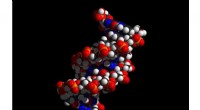
* Deoxyribonucleic acid (DNA): The primary carrier of genetic information in most organisms. It is a double helix structure, where two strands of nucleotides are held together by hydrogen bonds between complementary bases: adenine (A) with thymine (T) and guanine (G) with cytosine (C).
* Ribonucleic acid (RNA): Involved in protein synthesis and other cellular processes. It is typically single-stranded and contains uracil (U) instead of thymine (T) as a base.
Functions:
* Storing genetic information: DNA acts as the blueprint for all cellular activities, containing the instructions for building and maintaining an organism.
* Transmitting genetic information: DNA is replicated and passed on to offspring, ensuring the continuity of life.
* Expressing genetic information: RNA translates the genetic code into proteins, which carry out various functions in the body.
Importance:
* Heredity: Nucleic acids determine the inheritance of traits from parents to offspring.
* Cellular function: They regulate and control all cellular processes, including growth, development, and metabolism.
* Evolution: Mutations in nucleic acids can lead to variations in traits, driving the evolutionary process.
In summary: Nucleic acids are essential molecules that play crucial roles in all living organisms. They are the fundamental building blocks of life, carrying the instructions for building, maintaining, and passing on genetic information.