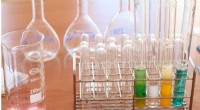
* pH scale: The pH scale measures the acidity or alkalinity of a solution. It ranges from 0 to 14.
* Acidic: Solutions with a pH below 7 are considered acidic.
* Neutral: A pH of 7 is neutral (like pure water).
* Alkaline (Basic): Solutions with a pH above 7 are considered alkaline or basic.
The difference in pH values:
* A pH of 2 is 10,000 times more acidic than a pH of 7. This is because the pH scale is logarithmic. Each whole number change in pH represents a tenfold difference in acidity or alkalinity.
Examples:
* pH 2: Strong acids like stomach acid or battery acid.
* pH 7: Pure water, neutral solutions.
In summary: A pH of 2 indicates a much higher concentration of hydrogen ions (H+) compared to a pH of 7, making it much more acidic.