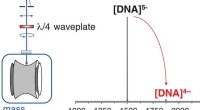
1. Analytical Chemistry: This branch focuses on the identification and quantification of chemical substances. Analytical chemists use a variety of techniques, such as spectroscopy, chromatography, and electrochemistry, to analyze samples and determine their composition.
2. Organic Chemistry: This branch deals with the study of carbon-containing compounds. Organic chemistry is fundamental to the understanding of living organisms, as well as synthetic materials like plastics and pharmaceuticals.
3. Inorganic Chemistry: This branch focuses on the study of compounds that do not contain carbon, such as metals, minerals, and salts. Inorganic chemistry plays a vital role in developing new materials and technologies.
4. Physical Chemistry: This branch studies the physical properties of matter and how they relate to chemical processes. This includes topics such as thermodynamics, kinetics, and quantum chemistry.
5. Biochemistry: This branch focuses on the chemistry of living organisms. It explores the chemical processes that occur within cells and the structure and function of biomolecules like proteins, carbohydrates, and nucleic acids.
6. Environmental Chemistry: This branch deals with the study of chemical processes in the environment. It investigates the impact of pollution, the fate of pollutants, and the development of sustainable solutions.
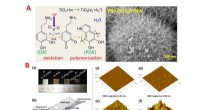
7. Polymer Chemistry: This branch focuses on the study of large molecules called polymers. It encompasses the synthesis, properties, and applications of polymers, which are used in a vast array of materials, from plastics to textiles.
8. Nuclear Chemistry: This branch focuses on the study of the structure and behavior of atomic nuclei. This includes topics such as radioactive decay, nuclear fission, and nuclear fusion.
9. Computational Chemistry: This branch uses computer simulations and theoretical models to study chemical systems. This allows researchers to predict chemical properties and reactions without conducting experiments.
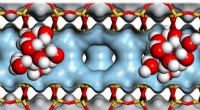
10. Materials Chemistry: This branch focuses on the design and synthesis of new materials with specific properties. This includes materials for electronics, energy storage, and biomedical applications.
These are just a few of the many branches of chemistry. The boundaries between them are often blurry, as many areas overlap and intersect. For example, a chemist might work in bioorganic chemistry, which combines aspects of organic and biochemistry.
Chemistry is a fundamental science that has a profound impact on our daily lives. It is essential for understanding the world around us, developing new technologies, and addressing global challenges like climate change.