* Heat: This is the most common outcome. The absorbed light energy excites the molecules of the substance, causing them to vibrate faster. This increased molecular motion is what we perceive as heat. This is why dark-colored objects get hotter in the sun than light-colored ones.
* Other forms of energy:
* Chemical energy: Some substances, like plants during photosynthesis, use absorbed light to drive chemical reactions. This converts light energy into stored chemical energy in the form of sugars.
* Electrical energy: Certain materials, like solar panels, can convert absorbed light directly into electricity through the photovoltaic effect.
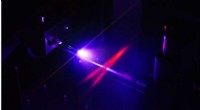
* Luminescence: Some substances absorb light and then re-emit it at a different wavelength, resulting in phenomena like fluorescence or phosphorescence.
Key Takeaway: The specific way a substance converts absorbed light energy depends on its chemical composition and structure.