Here's why:
* Ionic Compound: Sodium propionate (CH₃CH₂COONa) is an ionic compound, meaning it's composed of a positively charged sodium ion (Na+) and a negatively charged propionate ion (CH₃CH₂COO-).
* Polar Solvent: Water is a polar solvent, meaning it has a positive and negative end due to its bent molecular shape. This polarity allows water to effectively interact with the charged ions in sodium propionate.
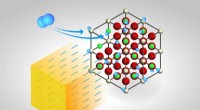
* Hydration: When sodium propionate dissolves in water, the water molecules surround the ions, forming hydration shells. This interaction helps to separate the ions and keep them dissolved.
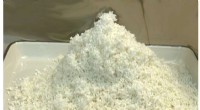
The solubility of sodium propionate in water is about 400 g/L at room temperature.