The Reaction:
* HCl (Hydrochloric acid) is a strong acid.
* NH2 (Amine) is a base.
When an acid reacts with a base, a neutralization reaction occurs, forming a salt and water.
The Product:
The specific product depends on the type of amine. A common example is the reaction with ammonia (NH3):
```
HCl + NH3 → NH4Cl
```
* NH4Cl (Ammonium chloride) is a white solid, not a yellow liquid. It's a common salt used in various applications.
Possible Reasons for a Yellow Liquid:
If you're observing a yellow liquid, it's likely due to:
* Impurities: The reactants might contain impurities that cause a color change.
* Side Reactions: Depending on the specific amine used, there could be side reactions leading to the formation of colored products.
* Oxidation: Some amines can oxidize in the presence of air, forming colored compounds.
To Identify the Product:
* Provide the Specific Amine: Knowing the exact amine involved is crucial to determine the specific salt formed.
* Check for Color Changes Over Time: Observe if the color changes over time, indicating oxidation or other side reactions.
* Consider the Reaction Conditions: The presence of other reagents or specific reaction conditions could influence the outcome.
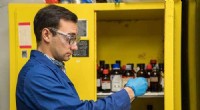
Important Note: It's always best to perform chemical reactions in a controlled environment with proper safety precautions.