* Beryllium's Position on the Periodic Table: Beryllium is in group 2 (alkaline earth metals) and has a +2 oxidation state. This means it readily loses two electrons to achieve a stable electron configuration.
* Formation of Ionic Compounds: Beryllium readily forms ionic compounds with nonmetals, like:
* Oxygen: BeO (beryllium oxide)
* Chlorine: BeCl2 (beryllium chloride)
* Sulfur: BeS (beryllium sulfide)
* Formation of Covalent Compounds: Beryllium can also form covalent compounds with other elements, especially with halogens:
* Fluorine: BeF2 (beryllium fluoride)
Important Notes:
* Reactivity: Beryllium is a relatively reactive metal, but it can be stabilized by forming a protective oxide layer on its surface.
* Toxicity: Beryllium compounds are toxic and can be carcinogenic. This is due to beryllium's small size and ability to easily penetrate cell membranes.
Examples of Common Beryllium Compounds:
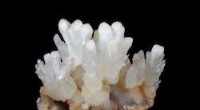
* Beryl: A gemstone containing beryllium, aluminum, silicon, and oxygen (Be3Al2(SiO3)6).
* Emerald: A variety of beryl with a green color due to chromium and vanadium impurities.
* Aquamarine: A variety of beryl with a bluish-green color due to iron impurities.
Let me know if you'd like more details on specific beryllium compounds!