Most Reactive:
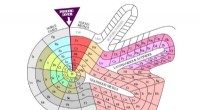
* Alkali Metals (Group 1): These elements have only one electron in their outer shell, making them eager to lose it and form positive ions. This makes them incredibly reactive, especially with water.
* Halogens (Group 17): Halogens have seven electrons in their outer shell, making them eager to gain one electron to complete their octet. They are very reactive nonmetals, often forming salts with metals.
Least Reactive:
* Noble Gases (Group 18): These elements have a full outer shell of electrons (eight electrons, except for Helium which has two), making them extremely stable and unreactive.
Important Notes:
* Reactivity Trends: Reactivity within groups generally increases as you move down the periodic table. This is because the outermost electron becomes farther from the nucleus and is more easily removed or gained.
* Exceptions: Transition metals (in the middle of the periodic table) often have variable reactivity, depending on the specific element and its oxidation state.
In summary: The alkali metals and halogens are the most reactive groups, while the noble gases are the least reactive.