1. Carbohydrates: These are made up of carbon, hydrogen, and oxygen. They provide energy for the body and are also used for structural support. Examples include sugars, starches, and cellulose.
2. Lipids (Fats and Oils): These are composed of carbon, hydrogen, and oxygen, but with a higher proportion of hydrogen compared to carbohydrates. They store energy, provide insulation, and form cell membranes. Examples include fats, oils, and waxes.
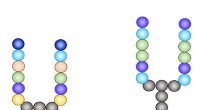
3. Proteins: These are complex molecules made up of chains of amino acids. They are essential for a wide range of biological functions, including building and repairing tissues, transporting substances, and catalyzing reactions. Examples include enzymes, antibodies, and hormones.
4. Nucleic Acids: These are complex molecules made up of nucleotides. They carry genetic information and are essential for the synthesis of proteins. Examples include DNA and RNA.