* Low Solubility: CO is only slightly soluble in water. This means that only a small amount of CO will dissolve at any given time.
* No Significant Chemical Reaction: CO does not react significantly with water to form new chemical species. Unlike gases like carbon dioxide (CO2), which form carbonic acid (H2CO3) in water, CO does not undergo a similar reaction.
* Equilibrium: The dissolved CO exists in equilibrium with CO in the gas phase. As the concentration of CO in the water decreases, more CO from the gas phase will dissolve to restore the equilibrium.
However, CO's interaction with water is not entirely negligible:
* Hemoglobin Binding: CO is known to bind to hemoglobin in the blood, even when dissolved in water. This binding is far stronger than oxygen's binding to hemoglobin, leading to carbon monoxide poisoning.
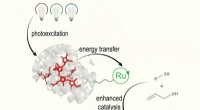
* Potential for Hydrolysis: Under extremely specific conditions, CO can react with water in the presence of strong catalysts, but this is not a common occurrence.
In summary: While CO dissolves in water to a small extent, its interaction with water is weak and does not result in significant chemical reactions. The most notable consequence of CO dissolving in water is its potential to bind to hemoglobin and cause poisoning.