Solution:
* General Term: A solution is a homogeneous mixture of two or more substances.
* Components: A solution consists of a solute (the substance being dissolved) and a solvent (the substance doing the dissolving).
* Examples: Sugar dissolved in water, salt dissolved in water, air (gases dissolved in each other).
Hydrochloric Acid (HCl):
* Specific Compound: Hydrochloric acid is a specific chemical compound. It is a strong acid composed of hydrogen (H) and chlorine (Cl) atoms.
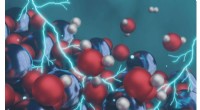
* Acidic Properties: HCl readily dissolves in water, forming a highly acidic solution.
* Uses: It's used in many industrial processes, including the production of plastics, pharmaceuticals, and cleaning products.
Key Differences:
* Specificity: A solution is a general term, while hydrochloric acid is a specific chemical compound.
* Composition: A solution can be made from various combinations of substances, while hydrochloric acid is always composed of hydrogen and chlorine.
* Acidity: Hydrochloric acid is always acidic, while a solution can be acidic, basic, or neutral depending on its components.
Analogy:
Imagine a cup of coffee. The coffee is a *solution* because it's a homogeneous mixture of coffee grounds (solute) dissolved in water (solvent). If we add a specific amount of hydrochloric acid to the coffee, we've created a *solution* that is also *acidic* due to the presence of HCl.
In short, hydrochloric acid is a type of solution, but not all solutions are hydrochloric acid.