Here's a breakdown:
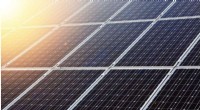
* Light-dependent reactions: These reactions occur in the thylakoid membranes of chloroplasts and directly utilize sunlight energy to produce ATP (energy currency) and NADPH (reducing power).
* Light-independent reactions (Calvin cycle): These reactions occur in the stroma of the chloroplast. They use the ATP and NADPH generated in the light-dependent reactions to convert carbon dioxide from the atmosphere into glucose (sugar).
Why the Calvin cycle is light-independent:
* No direct sunlight: The Calvin cycle doesn't need light to function. It can occur in the dark as long as there's a supply of ATP and NADPH from the previous light-dependent reactions.
* Uses products of light-dependent reactions: The Calvin cycle uses the ATP and NADPH produced in the light-dependent reactions as energy sources and reducing power to fix carbon dioxide.
* Carbon fixation: The main function of the Calvin cycle is to fix carbon from carbon dioxide into organic compounds. This process is independent of light energy.
In essence, while the light-dependent reactions are directly fueled by sunlight, the Calvin cycle utilizes the products of these reactions to carry out its own function – carbon fixation. This is why it's referred to as the "light-independent" stage of photosynthesis.