1. Carbohydrates: These are made up of carbon, hydrogen, and oxygen. They are the primary source of energy for living organisms and also provide structural support. Examples include sugars, starches, and cellulose.
2. Lipids (Fats and Oils): Composed of carbon, hydrogen, and oxygen, with a higher proportion of hydrogen to oxygen than carbohydrates. They provide long-term energy storage, insulation, and protection for organs. Examples include triglycerides, phospholipids, and steroids.
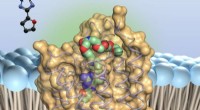
3. Proteins: Made up of carbon, hydrogen, oxygen, nitrogen, and sometimes sulfur. Proteins are complex molecules that perform a vast array of functions, including:
* Enzymes: Catalyze biochemical reactions.
* Structural components: Provide shape and support to cells and tissues.
* Hormones: Act as chemical messengers.
* Antibodies: Help the immune system fight infection.
4. Nucleic acids (DNA and RNA): These molecules contain carbon, hydrogen, oxygen, nitrogen, and phosphorus. They store and transmit genetic information.
* DNA (Deoxyribonucleic acid): Contains the genetic blueprint for an organism.
* RNA (Ribonucleic acid): Plays a role in protein synthesis.