Decomposers:
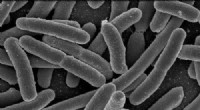
* Definition: Organisms, primarily bacteria and fungi, that break down dead organic matter (plants, animals, and their waste products).
* Role: They play a vital role in ecosystems by recycling nutrients and returning them to the soil.
Dead Organic Material:
* Source: This includes fallen leaves, dead trees, animal carcasses, and waste products like feces.
* Importance: It's a source of energy and nutrients for decomposers.
The Relationship:
* Food Source: Decomposers feed on dead organic material, breaking it down through a process called decomposition.
* Nutrient Cycling: As decomposers break down organic matter, they release essential nutrients like nitrogen, phosphorus, and carbon back into the soil. These nutrients are then available for plants to use, ensuring a continuous cycle of life.
* Ecosystem Stability: Decomposers prevent the buildup of dead organic matter, which would otherwise hinder plant growth and cause a disruption in the ecosystem.
* Soil Health: Decomposers contribute to the formation of fertile soil, improving its structure, aeration, and water retention.
In Summary: Decomposers and dead organic material are inextricably linked. Decomposers break down dead matter, releasing nutrients that support plant growth and maintaining a balanced ecosystem. Without decomposers, dead organic matter would accumulate, blocking the flow of nutrients and harming the environment.