The Enzyme's Role:
* Catalyst: Enzymes are biological catalysts, meaning they speed up chemical reactions without being consumed in the process.
* Specificity: Enzymes are highly specific, meaning they only bind to and catalyze reactions with certain molecules (their substrates). This is due to the unique shape and chemical properties of the enzyme's active site.
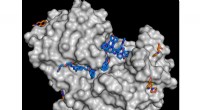
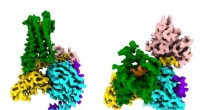
* Active Site: The active site is a region on the enzyme where the substrate binds. It's like a lock and key mechanism – the substrate fits perfectly into the active site.
The Reactant's Role:
* Substrate: The reactant molecule that an enzyme acts upon is called the substrate.
* Binding: The substrate binds to the enzyme's active site, forming an enzyme-substrate complex.
* Transformation: The enzyme facilitates the conversion of the substrate into a product, often by lowering the activation energy required for the reaction.
The Relationship:
* Temporary Interaction: The enzyme and substrate interaction is temporary. Once the reaction is complete, the product is released, and the enzyme is free to bind with another substrate molecule.
* Lock and Key Model: This model describes the enzyme's specificity, where the shape of the active site perfectly matches the shape of the substrate.
* Induced Fit Model: This model takes it a step further, suggesting that the enzyme's active site can change shape slightly to better accommodate the substrate upon binding.
In Summary:
The relationship between an enzyme and a reactant molecule is a specific and temporary one, driven by the enzyme's catalytic activity and its ability to recognize and bind to its specific substrate. This interaction allows the enzyme to facilitate the conversion of the substrate into a product, accelerating the chemical reaction.