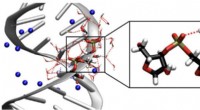
However, we can understand what it might refer to based on common scientific principles:
Possible interpretations:
* Unique molecular structure: This could refer to a molecule with a specific arrangement of atoms and bonds, making it distinct from other molecules. For example, DNA has a unique structure that distinguishes it from other biomolecules.
* Specific chemical composition: This might describe a unique combination of elements or compounds within a substance, like a specific alloy or a rare mineral.
* Novel chemical reactions: A unique chemical organization could refer to a new or unusual way in which chemicals interact and transform. This could involve the discovery of a new catalyst or a novel reaction pathway.
* Complex biological systems: The term might be used to describe the intricate organization of molecules and reactions within a living organism, where each component plays a crucial role in maintaining life.
To better understand what "unique chemical organization" means in a particular context, it's essential to consider:
* What is being discussed? (e.g., a specific molecule, a material, a reaction, or a biological system)
* What is the context of the discussion? (e.g., research paper, scientific presentation, informal conversation)
By understanding the context, you can better interpret the intended meaning of "unique chemical organization" and understand its significance.