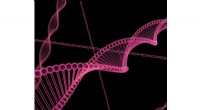
Specifically, the enzyme DNA polymerase plays the crucial role in this process. Here's how it works:
* Template strand: DNA polymerase uses an existing DNA strand (the template strand) as a guide to build a new complementary strand.
* Nucleotides: The building blocks of DNA are nucleotides, each consisting of a sugar, a phosphate group, and a nitrogenous base (adenine, guanine, cytosine, or thymine).
* Base pairing: DNA polymerase recognizes the bases on the template strand and brings in the complementary nucleotides (A with T, and C with G). These nucleotides then form hydrogen bonds with the bases on the template strand.
* Polymerization: DNA polymerase joins the nucleotides together, creating a new DNA strand that is complementary to the template.
Other substances that play a role in DNA replication include:
* Helicase: An enzyme that unwinds the DNA double helix.
* Primase: An enzyme that adds short RNA primers to the template strand, providing a starting point for DNA polymerase.
* Ligase: An enzyme that joins the Okazaki fragments (short DNA segments synthesized on the lagging strand) together.
Therefore, while hydrogen bonds are the primary forces holding the DNA strands together, enzymes are the key players that facilitate the process of building a new DNA molecule.