Here's what happens to them:
Glucose:
* Immediate use: Some glucose is used immediately by the plant cells for energy through cellular respiration. This process releases energy from the glucose, allowing the plant to carry out its vital functions like growth, repair, and movement.
* Storage: Excess glucose is converted into starch, a complex carbohydrate that can be stored in the plant for later use. Starch is often stored in roots, tubers, seeds, and fruits.
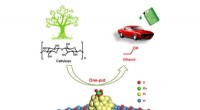
* Building blocks: Glucose is also used to synthesize other organic molecules like cellulose (for cell walls), proteins (for growth and repair), and fats (for energy storage).
Oxygen:
* Released into the atmosphere: Oxygen is a byproduct of photosynthesis and is released into the atmosphere through tiny pores on the plant's leaves called stomata.
* Used by other organisms: This oxygen is essential for respiration in animals, plants, and other organisms. It allows them to break down glucose and generate energy.
In summary: The products of photosynthesis are the building blocks for plant growth and development, and they also contribute to the oxygen supply of our planet.