Here's a breakdown of the process:
1. Mechanical Digestion: This begins in the mouth, where teeth physically break down food into smaller pieces. The tongue also helps mix food with saliva.
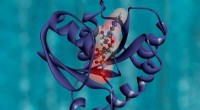
2. Chemical Digestion: This involves enzymes, which are biological catalysts that speed up chemical reactions. The digestive system produces a variety of enzymes that break down different types of food molecules:
* Carbohydrases: Break down carbohydrates (starches and sugars) into simple sugars like glucose.
* Proteases: Break down proteins into amino acids.
* Lipases: Break down fats (lipids) into fatty acids and glycerol.
Here's a more detailed look at how these chemicals are produced and used in digestion:
* Saliva: Produced by salivary glands in the mouth, saliva contains the enzyme salivary amylase, which begins the breakdown of carbohydrates.
* Gastric Juice: Produced in the stomach, gastric juice contains hydrochloric acid and pepsin. The acid creates an acidic environment, and pepsin breaks down proteins.
* Pancreatic Juice: Produced by the pancreas, pancreatic juice contains enzymes like pancreatic amylase, trypsin, and lipase. These enzymes break down carbohydrates, proteins, and fats respectively.
* Bile: Produced by the liver and stored in the gallbladder, bile is released into the small intestine. It helps to emulsify fats, breaking them into smaller droplets, making them easier for lipases to digest.
The digestive process is a complex and coordinated effort involving several organs and enzymes working together to break down food into its simplest components, allowing for absorption into the bloodstream for use by the body.