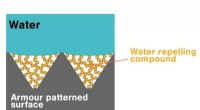
* Hydrophobic nature: The lipid bilayer is composed of phospholipids with hydrophobic tails facing inwards, creating a barrier to hydrophilic (water-loving) molecules.
* Polarity: Water-soluble substances are typically polar, meaning they have an uneven distribution of charge. This polarity makes it difficult for them to pass through the non-polar interior of the lipid bilayer.
* Size: Even small, polar molecules like water have difficulty crossing the lipid bilayer directly.
Exceptions:
* Small, uncharged molecules: Small, uncharged molecules like oxygen (O2) and carbon dioxide (CO2) can diffuse across the lipid bilayer.
* Specific transport proteins: The cell membrane contains specialized transport proteins that facilitate the movement of specific water-soluble substances across the membrane. These proteins can act as channels, carriers, or pumps.
In summary: The lipid bilayer is a selective barrier that allows the passage of small, uncharged molecules but restricts the movement of most water-soluble substances.