Here's why:
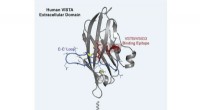
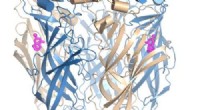
* Enzymes are proteins: They have specific 3D structures that are essential for their function.
* Temperature and pH affect structure: Changes in temperature and pH can disrupt the delicate bonds holding the protein together, causing it to unfold (denature).
* Denaturation leads to loss of function: A denatured enzyme can no longer bind to its substrate and catalyze the reaction.
Think of it like this: Imagine a key (enzyme) that fits perfectly into a lock (substrate). Heat or changes in pH can distort the key, preventing it from turning the lock.
Here's what you need to know:
* Optimum temperature: This is the temperature at which the enzyme works most effectively.
* General trend: Most enzymes have an optimal temperature in the range of 35-40°C (95-104°F), similar to human body temperature.
* Exceptions: Enzymes from thermophilic organisms (like bacteria living in hot springs) have higher optimal temperatures.
* Optimum pH: This is the pH at which the enzyme works best.
* General trend: Most enzymes have an optimal pH between 6 and 8, which is slightly acidic to slightly alkaline.
* Exceptions: Enzymes like pepsin (in the stomach) work best in highly acidic environments (pH 2), while trypsin (in the small intestine) prefers a slightly alkaline environment (pH 8).
Determining optimal conditions:
* Experimental methods: Scientists use experiments to determine the optimal temperature and pH for each specific enzyme. They measure the enzyme activity at different temperatures and pH values.
* Factors affecting optima: The optimal temperature and pH can also be influenced by other factors like the presence of cofactors, inhibitors, or substrate concentration.
In summary:
* Each enzyme has its own specific optimal temperature and pH.
* These optima are crucial for the enzyme's activity and depend on its unique structure and function.
* Understanding these conditions is vital for studying enzyme kinetics and their roles in biological processes.