Here's why:
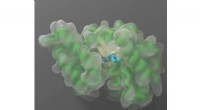
* Antibodies are proteins that bind to specific antigens (foreign substances) in the body. They act as part of the immune system's defense mechanism by:
* Neutralizing pathogens by blocking their ability to infect cells.
* Opsonizing pathogens, making them more easily recognized and engulfed by immune cells.
* Activating other immune cells, such as complement proteins, to destroy pathogens.
* Enzymes are biological catalysts that speed up chemical reactions within living organisms. They do this by lowering the activation energy required for the reaction to occur. Enzymes are not consumed in the reaction and remain chemically unchanged.
Key Differences:
* Function: Antibodies bind to antigens, while enzymes catalyze chemical reactions.
* Mechanism: Antibodies neutralize or mark antigens for destruction, while enzymes speed up reactions by lowering activation energy.
* Physical Change: Antibodies may undergo conformational changes upon binding to antigens, but they don't catalyze reactions. Enzymes remain physically unaltered throughout the reaction.
In summary, antibodies and enzymes are distinct types of proteins with different functions and mechanisms of action. While both are essential for biological processes, they operate in very different ways.