Here's a breakdown:
* High Concentration: A region where there are many molecules of a particular substance packed closely together.
* Low Concentration: A region where there are fewer molecules of that substance.
* Diffusion: The natural tendency for molecules to spread out evenly, moving from an area where they are crowded to an area where they are more spread out.
Diffusion is a fundamental process in biology, chemistry, and physics. It's how:
* Oxygen gets into our blood: Oxygen diffuses from the air in our lungs into our bloodstream.
* Nutrients reach our cells: Nutrients from digested food diffuse from the small intestine into the bloodstream.
* Waste products are removed: Carbon dioxide, a waste product of cellular respiration, diffuses from the blood into the lungs to be exhaled.
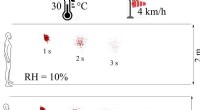
* Scents spread: The molecules of a perfume diffuse through the air, allowing us to smell it.
Key Points:
* Diffusion is a passive process - it doesn't require energy.
* The rate of diffusion is affected by factors such as temperature (higher temperature, faster diffusion), the size of the molecules (smaller molecules diffuse faster), and the concentration gradient (the larger the difference in concentration, the faster the diffusion).
* Diffusion is essential for life, allowing for the transport of vital substances within and between cells.