Biocatalysts are biological catalysts, meaning they are substances that speed up chemical reactions without being consumed in the process. They are often called enzymes.
Here's a breakdown:
* Catalysts: Substances that accelerate chemical reactions by lowering the activation energy required for the reaction to occur.
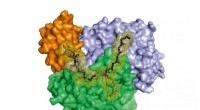
* Biocatalysts (Enzymes): Proteins (or in some cases RNA molecules) produced by living organisms that act as catalysts for specific biochemical reactions.
Key characteristics of biocatalysts:
* Specificity: They typically catalyze only one type of reaction or a very limited number of reactions.
* Efficiency: They can increase reaction rates by millions or even billions of times.
* Mild reaction conditions: They usually work under mild conditions of temperature and pH, compared to inorganic catalysts.
* Regulation: Their activity can be regulated by factors such as temperature, pH, substrate concentration, and the presence of inhibitors or activators.
Examples of biocatalysts:
* Amylase: Breaks down starch into sugars.
* Lactase: Breaks down lactose (milk sugar) into glucose and galactose.
* Protease: Breaks down proteins into amino acids.
* DNA polymerase: Synthesizes DNA from nucleotides.
Applications of biocatalysts:
* Industrial processes: Production of pharmaceuticals, food additives, biofuels, and other chemicals.
* Medical diagnosis and treatment: Used in diagnostic kits and for drug development.
* Environmental remediation: Bioremediation of pollutants in soil and water.
Let me know if you have any more questions about biocatalysts!