This number is based on the oxidative phosphorylation process, where the energy from electron transport is used to pump protons across the mitochondrial membrane, creating a proton gradient. This gradient is then used by ATP synthase to produce ATP.
Here's a breakdown:
* Electron transport chain: NADH donates its electrons to the electron transport chain, which consists of a series of protein complexes.
* Proton pumping: As electrons move through the chain, energy is released, which is used to pump protons from the mitochondrial matrix to the intermembrane space.
* Proton gradient: This pumping creates a proton gradient, with a higher concentration of protons in the intermembrane space.
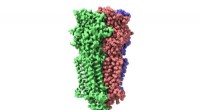
* ATP synthase: ATP synthase uses the energy stored in the proton gradient to generate ATP from ADP and inorganic phosphate.
However, it's important to note that this is an approximate value. The actual ATP yield can vary depending on factors like:
* Tissue type: Different tissues have varying efficiencies of oxidative phosphorylation.
* Metabolic state: The ATP yield can change depending on the metabolic state of the cell.
In summary, the ATP conversion for one NADH is approximately 2.5 ATP, but this value can vary depending on specific conditions.